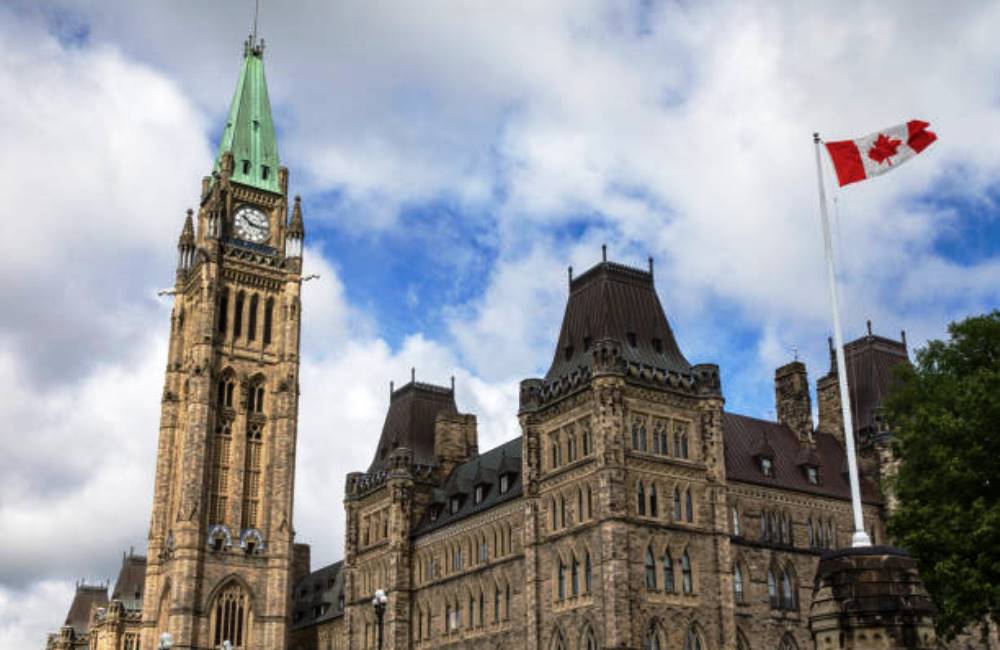
Canadian politics operates within a federal parliamentary democracy, where power is divided between national (federal) and provincial or territorial governments. The political landscape is characterized by multiple parties, a constitutional monarchy, and a commitment to democratic principles. Below is a broad overview of the key aspects of Canadian politics:
Constitutional Framework
Canada is a constitutional monarchy, meaning it has a monarch (currently Queen Elizabeth II’s successor, King Charles III) as its head of state, though the role is largely ceremonial. The country is governed by its Constitution, which includes statutes such as the Constitution Act, 1982 (which incorporates the Canadian Charter of Rights and Freedoms) and earlier foundational laws. The Constitution defines the distribution of powers between the federal and provincial governments, which ensures a balance of authority and regional autonomy.
Federal Structure
Canada is a federation, meaning it has multiple levels of government:
Federal Government: The national government, responsible for national and international affairs, defense, immigration, and other matters specified in the Constitution.
Provincial/Territorial Governments: Each of Canada’s 13 provinces and territories (10 provinces and 3 territories) has its own government, which handles local issues like education, health care, and natural resources.
Municipal Governments: Local governments handle community-level issues such as policing, zoning, and public services.
The division of powers between these levels of government is central to Canadian politics. Conflicts sometimes arise over jurisdictional boundaries, but the system provides a framework for balancing national and regional interests.
Parliamentary System
Canada follows a parliamentary system, meaning the executive branch (the government) is drawn from and accountable to the legislature (Parliament).
The House of Commons: The lower house of Parliament, composed of 338 elected Members of Parliament (MPs). MPs represent ridings across Canada and are elected through a first-past-the-post voting system.
The Senate: The upper house of Parliament, composed of 105 appointed Senators who serve until the age of 75. Senators represent different regions of Canada, but their role is more advisory, and they do not have the same power to initiate or amend financial legislation as the Commons does.
Political Parties
There are several political parties in Canada, each with different ideologies and priorities. The two main federal parties are:
Liberal Party of Canada: Historically associated with center-left policies, the Liberal Party has traditionally favored progressive policies on social issues, a strong welfare state, and multiculturalism. The current Prime Minister (as of 2023), Justin Trudeau, leads the Liberal Party.
Conservative Party of Canada: The largest center-right political party, the Conservatives advocate for lower taxes, free-market economic policies, and a more cautious approach to social issues. The Leader of the Opposition, Pierre Poilievre, currently leads the Conservative Party.
Other significant parties include:
New Democratic Party (NDP): A left-wing party that advocates for social justice, workers’ rights, environmentalism, and expanding public services like healthcare.
Bloc Québécois: A party focused on promoting the interests of Quebec and, in some cases, advocating for Quebec’s sovereignty.
Green Party of Canada: A smaller party focused primarily on environmental issues, sustainability, and social justice.
The Prime Minister and Cabinet
The Prime Minister is the head of government in Canada. The Prime Minister is usually the leader of the party that has won the most seats in the House of Commons after a federal election. The Prime Minister selects a Cabinet, consisting of other members of Parliament, who are usually responsible for specific portfolios (e.g., health, finance, defense, etc.). The Cabinet is tasked with implementing government policies, introducing legislation, and overseeing the civil service.
Elections and Voting
Federal elections are held at least every four years. Canadians vote in their ridings (electoral districts), and the candidate who wins the most votes in each riding becomes the MP for that area. While there is a tendency for the country to have two main parties — Liberals and Conservatives — the influence of smaller parties, such as the NDP and the Bloc Québécois, is significant in forming minority governments.
The first-past-the-post electoral system often leads to majority governments even when a party does not win the majority of the popular vote. This system has been a point of contention, with critics arguing it over-represents the winning party and under-represents others.
Key Issues in Canadian Politics
Canadian politics is shaped by numerous ongoing debates and issues, including:
Indigenous Rights: The relationship between Canada’s Indigenous peoples and the state remains one of the most important and contentious issues in the country. Many Indigenous communities have long called for greater self-determination, land rights, and reconciliation, particularly after the Truth and Reconciliation Commission’s work revealed the long history of abuse, especially in residential schools.
Climate Change and Environmental Policy: As a country with vast natural resources, Canada’s environmental policies are often a balancing act between resource extraction (such as oil and gas) and the need to reduce carbon emissions and protect the environment. The Liberal government, for example, has put a price on carbon and made climate change a significant priority, though these efforts face political opposition from some quarters.
Healthcare: Canada has a publicly funded healthcare system (Medicare) that provides universal coverage to all citizens and permanent residents. However, there are ongoing debates about funding, wait times, and the sustainability of the system, as well as the involvement of the private sector in healthcare services.
Immigration and Multiculturalism: Canada has a long history of immigration and prides itself on being a multicultural society. Immigration policy, refugee resettlement, and the integration of newcomers remain important topics in Canadian political discourse.
Quebec and National Unity: Quebec’s role in Canada has been a source of tension ever since the Quiet Revolution of the 1960s, which gave rise to the movement for Quebec sovereignty. The question of whether Quebec should remain part of Canada or become an independent state remains a delicate issue in national politics, even though support for separation has waned since the 1995 referendum.
Economic Issues: Canada’s economy is highly dependent on natural resources, manufacturing, and trade with the United States. Trade deals like the Canada-United States-Mexico Agreement (CUSMA) have reshaped economic relations, and economic issues such as taxes, deficits, and the future of Canada’s oil and gas sector continue to be points of debate.
Public Opinion and Media
Public opinion plays a significant role in shaping Canadian politics. Canadian citizens are highly engaged with politics, with high voter turnout, particularly in federal elections. Media outlets, both traditional (like newspapers, television, and radio) and newer forms (like digital platforms and social media), play a significant role in informing public debate. However, issues like media consolidation and bias in reporting have raised concerns about the media’s role in shaping public perceptions.
Canada and International Relations
Canada is a member of many international organizations, including the United Nations, NATO, the Commonwealth, and the G7. The country is known for its commitment to peacekeeping and diplomacy, although it also has strategic economic and political ties with powerful nations like the United States and China. Canada also faces complex issues related to its Arctic sovereignty and its relations with Indigenous communities within and outside of the country.
Conclusion
Canadian politics is dynamic, shaped by its diverse population, regional interests, and global position. The system of parliamentary democracy, coupled with the balance of power between different levels of government, ensures that debates on national identity, economic policy, social justice, and environmental sustainability will continue to define the Canadian political landscape for years to come.
 Ottawa Politics
Leave a comment