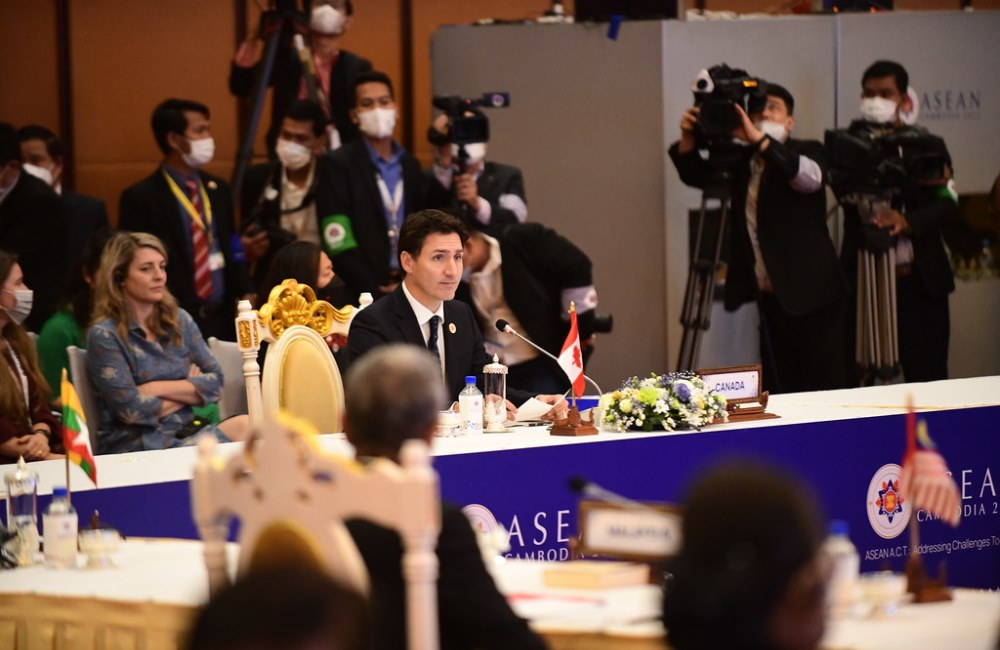
In recent years, the Indo-Pacific region has emerged as one of the most dynamic and strategically important areas in the world. Home to some of the world’s largest economies, critical trade routes, and a rapidly growing population, the Indo-Pacific is a focal point for global geopolitical, economic, and security interests. Canada, with its long-standing commitment to peace, security, and global cooperation, has been significantly expanding its engagement with this vital region. The Government of Canada has outlined its priorities and actions for strengthening its role in the Indo-Pacific through the Indo-Pacific Strategy, an initiative aimed at reinforcing Canada’s partnerships, advancing shared values, and enhancing prosperity for Canadians and regional stakeholders alike.
Canada’s Strategic Focus in the Indo-Pacific
The Indo-Pacific Strategy (IPS) is a comprehensive policy framework that articulates Canada’s approach to a region that is increasingly central to global affairs. Launched in November 2022, the strategy reflects Canada’s belief in the importance of rules-based international order, sustainable development, and cooperation with diverse partners. This strategy is an important shift in Canada’s foreign policy, as it aligns with the broader global pivot toward the Indo-Pacific, which is characterized by both opportunities and challenges.
The Government of Canada’s Indo-Pacific Strategy has identified several key areas of focus:
Economic Engagement and Trade
- Trade Expansion: As a trading nation, Canada has an essential interest in the economic vitality of the Indo-Pacific. The region is home to some of the world’s largest economies, including China, India, Japan, and South Korea, as well as emerging markets such as ASEAN countries. The Indo-Pacific Strategy underscores Canada’s desire to diversify and deepen its trade relations in the region. The Comprehensive and Progressive Agreement for Trans-Pacific Partnership (CPTPP), a free trade agreement that includes several Indo-Pacific countries, has already positioned Canada as a key trading partner. With growing demand for goods such as minerals, clean technology, and agricultural products, Canada sees significant opportunities for enhanced commercial engagement.
- Infrastructure Development: Canada is also focused on supporting sustainable development in the region through initiatives such as financing infrastructure projects, particularly in areas like clean energy, environmental sustainability, and digital infrastructure. The government recognizes the region’s needs for resilient, green infrastructure and is committed to using its expertise to foster growth in these areas.
Security and Regional Stability
- Peace and Stability: The Indo-Pacific region has become a focal point for both cooperation and competition among major powers, with rising tensions around issues such as territorial disputes in the South China Sea, North Korea’s nuclear weapons program, and the broader U.S.-China rivalry. Canada’s strategy emphasizes multilateral cooperation through institutions like the Association of Southeast Asian Nations (ASEAN), the East Asia Summit (EAS), and the Indo-Pacific Economic Framework (IPEF). Canada continues to advocate for peaceful resolutions to conflicts, strengthening diplomatic channels, and promoting stability in the face of growing tensions.
- Peacekeeping and Humanitarian Missions: Canada’s role in regional peacekeeping missions and humanitarian efforts is another critical component of its Indo-Pacific Strategy. As a country committed to international peace and security, Canada’s engagement in the region includes military partnerships, peacebuilding efforts, and disaster relief assistance.
Climate Action and Sustainable Development
- Environmental Stewardship: The Indo-Pacific faces numerous environmental challenges, including the effects of climate change, biodiversity loss, and pollution. Canada’s Indo-Pacific Strategy aligns closely with its broader climate objectives, emphasizing cooperation on climate change adaptation and mitigation. Canadian expertise in clean technology, water management, and environmental protection is being leveraged to help regional partners transition toward a low-carbon, sustainable future.
- Ocean Conservation: The region’s vast marine ecosystems are under threat due to overfishing, pollution, and climate change. Canada is committed to advancing ocean conservation initiatives, including working to combat illegal, unreported, and unregulated fishing, while promoting the sustainable use of marine resources.
People-to-People Ties and Cultural Diplomacy
- Educational and Cultural Exchange: Canada has a deep commitment to fostering people-to-people ties in the Indo-Pacific region. By supporting educational exchanges, scholarships, and cultural diplomacy, Canada hopes to create stronger connections and mutual understanding between its citizens and those of the Indo-Pacific countries. Initiatives in this space also emphasize youth leadership, gender equality, and the empowerment of marginalized groups, reinforcing Canada’s commitment to diversity and inclusion.
- Migration and Labour Mobility: Canada also continues to engage with the region on issues such as migration, labor mobility, and the rights of migrant workers. Canada’s open immigration policy and willingness to accept skilled workers from the Indo-Pacific contribute to a diversified economy and strengthen bilateral ties.
The Importance of Multilateralism in the Indo-Pacific Strategy
Canada’s Indo-Pacific Strategy is deeply rooted in multilateralism and upholding a rules-based international order. As a middle power, Canada does not seek to compete with the great powers in the region, but rather aims to foster collaboration and stability through diplomatic channels and international institutions. Canada has a long history of contributing to multilateral organizations such as the United Nations, the World Trade Organization, and the Asia-Pacific Economic Cooperation (APEC). In the Indo-Pacific, Canada remains committed to upholding the principles of international law, democracy, human rights, and sustainable development.
The Indo-Pacific Economic Framework (IPEF) is another important platform for Canada’s engagement in the region. By participating in frameworks like IPEF, Canada seeks to expand its influence and promote inclusive economic growth, digital innovation, and trade facilitation.
Key Partnerships in the Region
Canada’s Indo-Pacific Strategy is also defined by its deepening partnerships with key regional players:
- Japan and South Korea: As major economies and democratic allies, Japan and South Korea are crucial to Canada’s interests in the region. Canada has longstanding ties with both countries, and these relationships are critical for economic cooperation, security collaboration, and technological innovation.
- India: As one of the fastest-growing economies in the world, India is an important partner for Canada, both economically and strategically. The bilateral relationship has expanded in recent years, with cooperation in trade, defense, and the shared goal of addressing global challenges like climate change and terrorism.
- China: While Canada has expressed concerns about human rights and the rule of law in its relationship with China, it remains an important trade partner. The Indo-Pacific Strategy advocates for a balanced approach to engagement with China, emphasizing areas of cooperation such as trade, climate change, and global health, while also pushing for respect for international norms.
- ASEAN and the Pacific Islands: Canada has also prioritized strengthening its ties with the Association of Southeast Asian Nations (ASEAN), as well as the small island nations of the Pacific. Canada’s role in these regions involves promoting peace, supporting sustainable development, and addressing the growing challenges posed by climate change.
Conclusion
Canada’s Indo-Pacific Strategy is a reflection of the region’s importance to the country’s future in terms of trade, security, and global influence. By focusing on strengthening economic ties, promoting regional stability, and addressing pressing issues like climate change and sustainable development, Canada seeks to play a constructive role in a rapidly evolving and increasingly complex global landscape. Through multilateralism, strategic partnerships, and a commitment to shared values, Canada aims to ensure that the Indo-Pacific remains a region of peace, prosperity, and opportunity for all.
This strategy is not just about shaping Canada’s future; it is also about contributing to a more interconnected and resilient global community. As the Indo-Pacific becomes an even more central part of world affairs, Canada’s proactive approach will help ensure that it remains a positive and influential force in the region
 Ottawa Politics
Leave a comment